Elon Musk: Power Beyond Politics
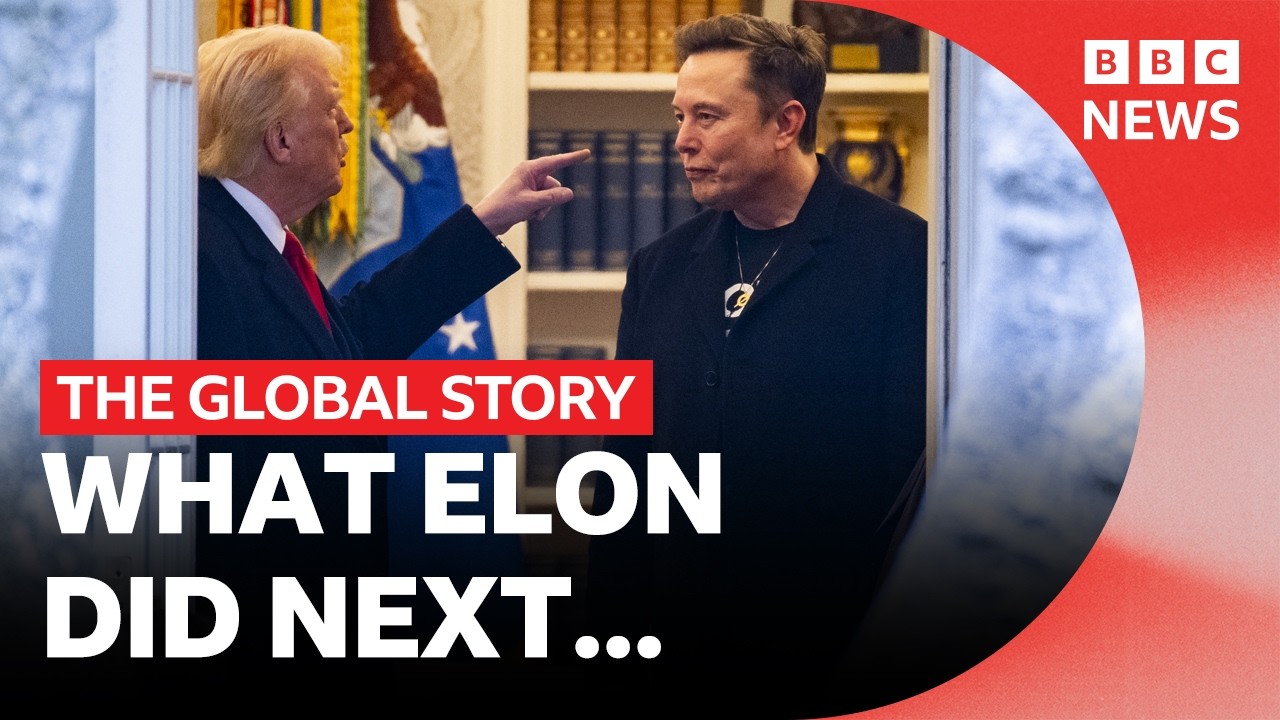
Elon Musk has always been a polarizing figure. But since his departure from his unofficial role in the Trump administration in May 2025, he seems to have gained influence that transcends traditional political realms. While questions linger regarding the ethical implications of his actions, the magnitude of his impact on technology and global infrastructure is undeniable.
Musk’s recent high-profile lawsuit against Sam Altman, the CEO of OpenAI, has once again thrust him into public discourse. Musk co-founded OpenAI, initially a nonprofit aimed at developing AI responsibly. He contributed approximately $38 million in funding, motivated by the belief that humanity deserved safe and ethical AI development. However, when OpenAI transitioned to a for-profit model, Musk’s relationship turned sour. He claims this shift led to a breach of their original nonprofit agreement and alleges that Altman and his colleague Greg Brockman enriched themselves at the expense of the organization’s mission. The lawsuit’s undercurrents are complex, revealing Musk’s competitive spirit as he embarks on launching his own AI startup, XAI, to rival OpenAI.
Though the lawsuit garners media attention, it’s Musk’s ventures beyond courtroom battles that illuminate his growing power. His satellite internet company, Starlink, is arguably one of the most vital facets of Musk’s empire, notwithstanding its less public profile compared to Tesla and SpaceX. Starlink operates thousands of satellites in low Earth orbit, enabling internet access to over 10 million users in 150 countries. It serves both urban and underserved regions, often providing critical communication capabilities during disasters.
Starlink’s significance was profoundly felt during the war in Ukraine, where Musk provided internet services crucial for communications. However, his involvement in geopolitical matters grew complicated when he restricted Ukrainian access for fear of escalating tensions with Russia. Such actions highlight a critical point: Musk now wields power equal to that of state leaders in determining who has access to the internet. His ability to control connectivity has become a raw, unfiltered form of influence, demonstrating a concentration of power that raises ethical questions.
Critics argue that entrusting one individual with such control over a global resource is inherently dangerous. The repercussions of Musk’s decisions can resonate across continents. As countries navigate crises or censor dissent, the ability to turn Starlink on or off becomes more than a business decision; it transforms into a moral one.
Additionally, Musk’s ambitious plans for expanding Starlink’s satellite network—up to one million satellites—could create a veritable "land grab" in space. This initiative aims to bolster his infrastructure and enhance his status as a leading telecommunications provider. Yet the dangers of overcrowding low Earth orbit with satellites have prompted warnings from some corners, highlighting the potential for catastrophic collisions.
Musk’s influence is not without scrutiny. During the ongoing lawsuit, it was noted that public sentiment towards him is far from positive. The presiding judge remarked on Musk’s controversial reputation, allowing potential jurors to express their biases while pledging impartiality. It signals a critical juncture for a figure whose polarizing actions have evoked both admiration and public ire.
His courtroom appearances reveal a man grappling with the ramifications of his ambitions, especially as they intersect with prevailing norms and laws. Despite this, Musk continues to navigate these complexities with a sense of inevitability, embodying the characteristics of a modern-day mogul—one who operates outside conventional constraints and has no term limits on power.
While many may argue that Musk operates with altruistic intentions, aiming to democratize internet access in regions where it is scarce, the ethical implications of his decisions linger. The autonomy Musk has over a critical resource invites comparison to the reach of governmental authority, suggesting a paradigm shift.
Ultimately, Musk presents a duality: he is both a visionary striving for the betterment of humanity and a figure whose unchecked power raises urgent ethical dilemmas. As he expands his technological empire, society must grapple with a question of governance unprecedented in its scope: who truly controls access to the digital world, and what does that mean for global society? In a landscape where the lines between business and governance blur, Elon Musk stands as a testament to the power that can be wielded when technological innovation meets individual ambition.